Fiber basics · Nutrition
Soluble vs Insoluble Fiber: What Is the Difference and Why It Matters
Soluble and insoluble fiber do different jobs in your body. Learn how they differ, which foods contain each, how much you need and where psyllium fits in.

In this article
Key takeaways
- Soluble fiber dissolves in water to form a gel; insoluble fiber does not dissolve and adds bulk.
- Most plant foods contain both — a varied diet is the best way to get enough of each.
- US guidance is about 14 g of fiber per 1,000 calories; UK guidance is 30 g a day for adults.
- Psyllium husk is mostly soluble fiber and is especially good at absorbing water.
“Eat more fiber” is one of the most common pieces of nutrition advice. It shows up on cereal boxes, in doctors’ offices and in every healthy-eating guide. But fiber is not one single thing. There are two main types, and they behave very differently once you eat them.
Understanding the difference makes it much easier to build a diet that covers both — and to see where a supplement like psyllium husk fits in.
What is dietary fiber?
Dietary fiber is the part of plant foods that your body cannot fully digest or absorb. Unlike fats, proteins and most carbohydrates, which are broken down and absorbed, fiber passes relatively intact through your stomach and small intestine and into your colon.
Fiber is found only in plant foods — fruit, vegetables, whole grains, legumes, nuts and seeds. Meat, fish, eggs and dairy contain none.
Fiber is usually divided into soluble and insoluble types, based on whether it dissolves in water.
Soluble fiber: the gel-former
Soluble fiber dissolves in water to form a gel-like substance in the digestive tract. That gel:
- slows down digestion slightly, which is why soluble-fiber foods tend to feel more filling
- can bind with bile acids in the gut, which is linked to its effect on cholesterol
- helps soften stools by holding water
- provides food for the beneficial bacteria in the large intestine

Good sources of soluble fiber
- Oats and barley — especially porridge and overnight oats
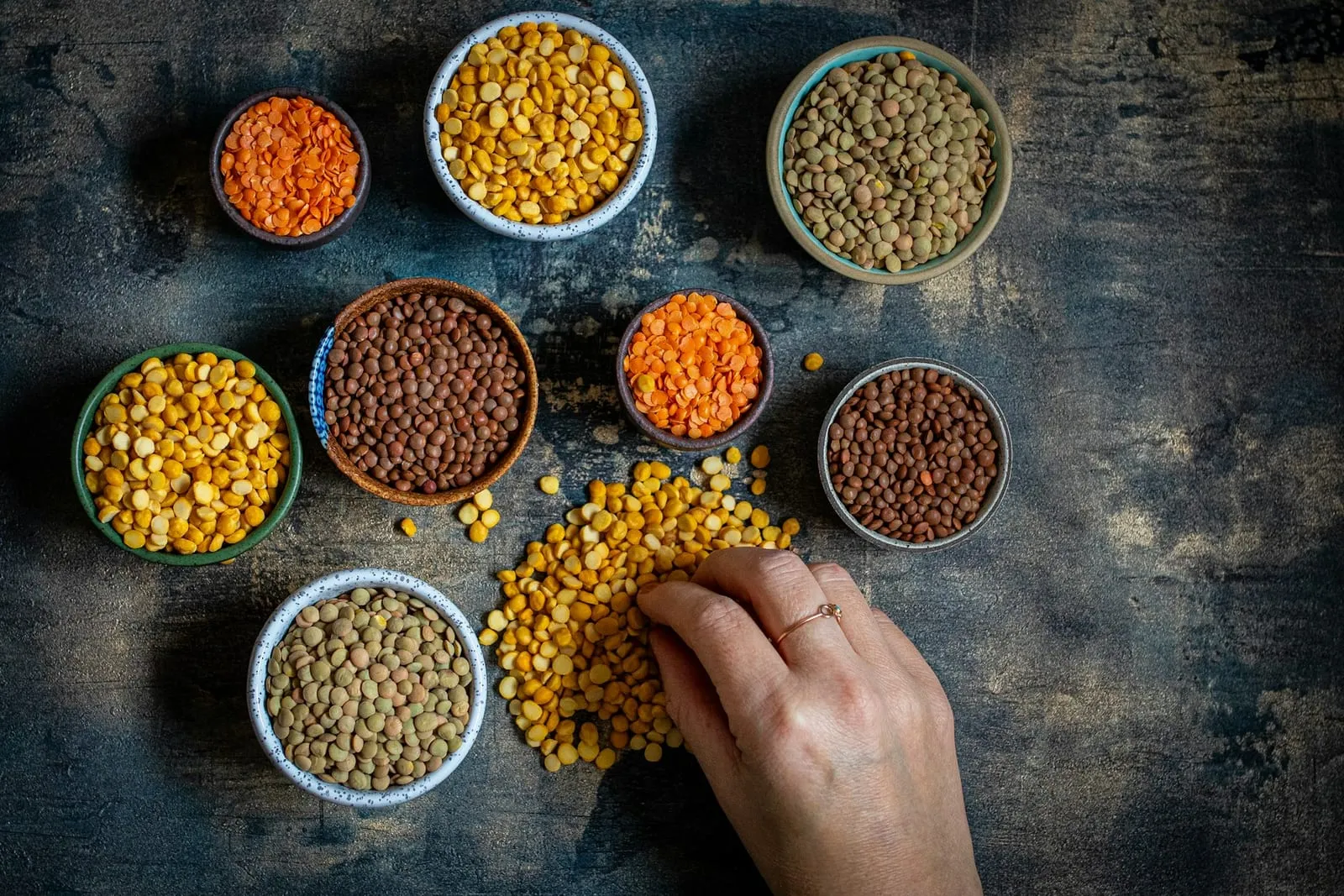
- Beans, lentils and chickpeas
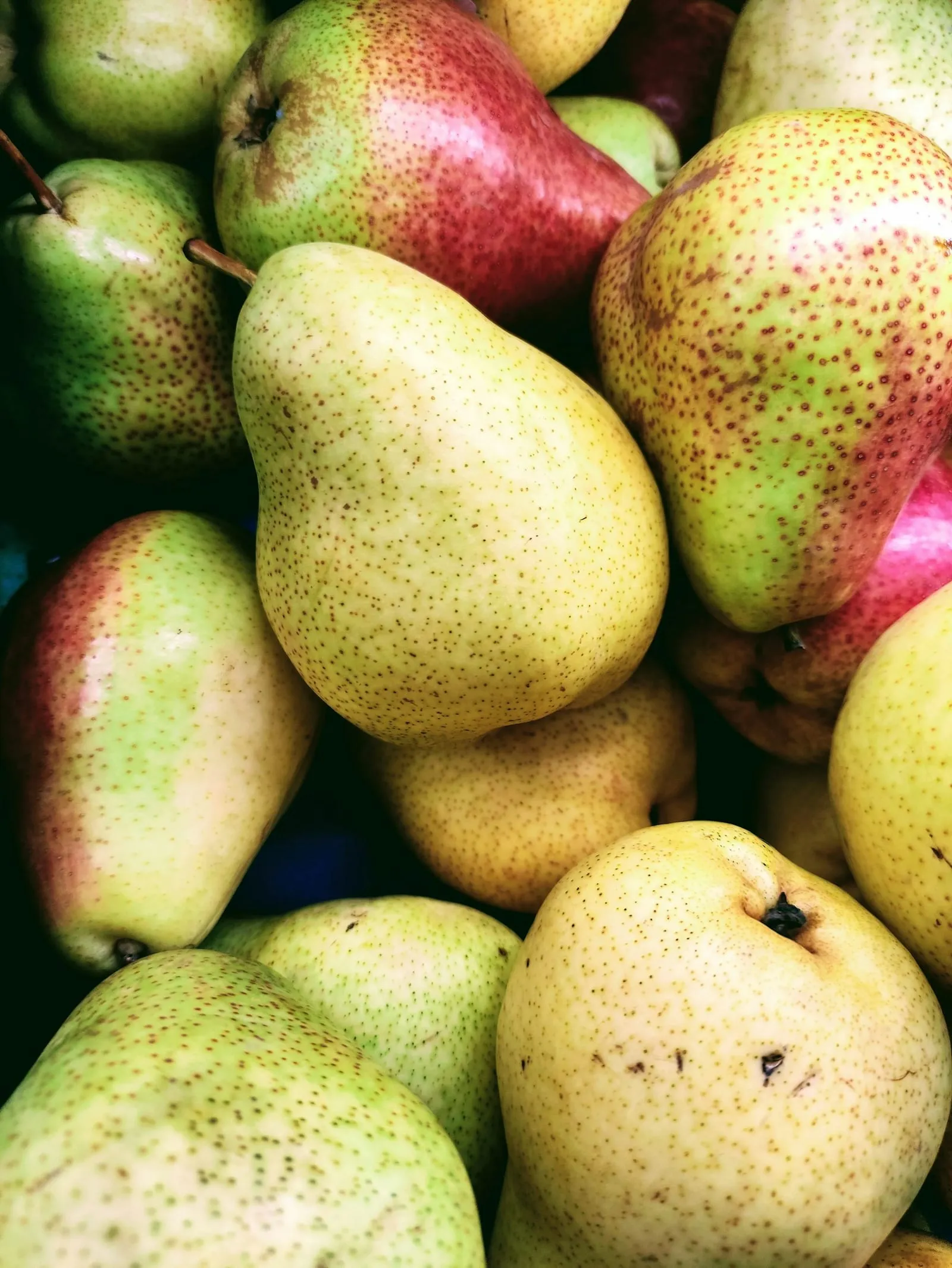
- Apples, pears, citrus fruit and berries
- Carrots and sweet potatoes
- Psyllium husk
Insoluble fiber: the bulk-builder
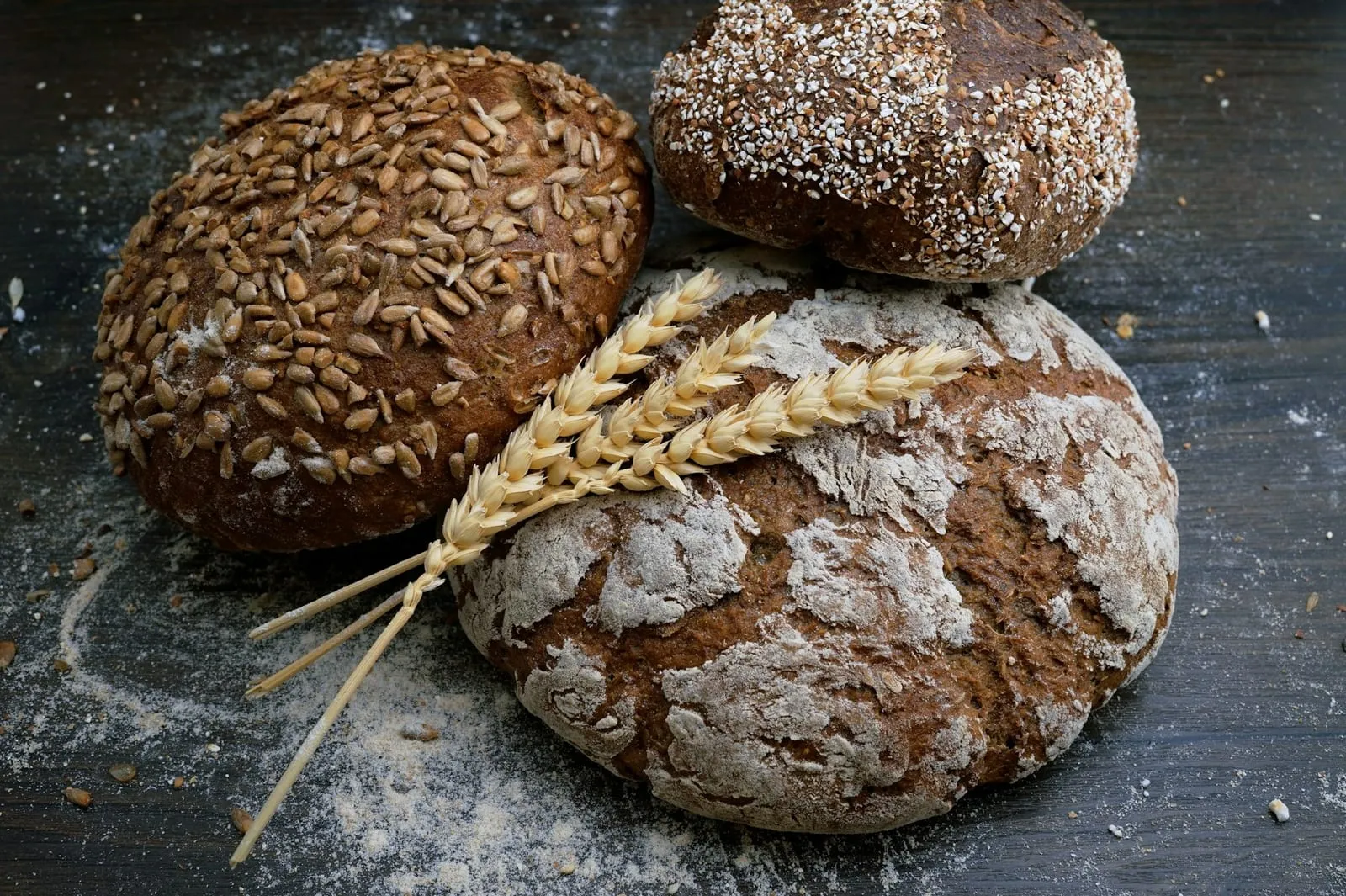
Insoluble fiber does not dissolve in water. Instead, it holds its shape and adds bulk. It helps material move through the digestive system and supports regularity.
Good sources of insoluble fiber
- Whole-wheat bread, pasta and wheat bran
- Brown rice and other whole grains
- Nuts and seeds
- The skins of fruit and vegetables
- Leafy greens, green beans and cauliflower
Side-by-side comparison
| Soluble fiber | Insoluble fiber | |
|---|---|---|
| Dissolves in water? | Yes — forms a gel | No — holds its shape |
| Main role | Slows digestion, softens stools, feeds gut bacteria | Adds bulk, supports regularity |
| Feels | Filling | “Roughage” |
| Top sources | Oats, beans, apples, citrus, psyllium | Whole wheat, bran, nuts, vegetable skins |
Do you need both?
Yes. The two types work together, and most plant foods naturally contain a mix of both. An apple, for example, has soluble fiber in its flesh and insoluble fiber in its skin.
Rather than tracking soluble and insoluble fiber separately, nutrition experts generally recommend focusing on total fiber from a wide variety of plant foods.
How much fiber should you eat?
Guidance varies slightly by country:
| Region | Adult recommendation | Typical intake |
|---|---|---|
| United States | About 14 g per 1,000 calories (roughly 25–34 g a day) | Well below the target for most adults |
| United Kingdom | 30 g a day | Around two-thirds of the target on average |
In both countries, most people fall well short — often by 10 g a day or more. That gap is why fiber is described as a “nutrient of public health concern” in US dietary guidance.
Where psyllium husk fits in
Psyllium husk is mostly soluble fiber, and it is unusually good at absorbing water. A single teaspoon stirred into a glass of water will noticeably thicken within a couple of minutes.
That makes it one of the most convenient ways to top up soluble fiber, especially on days when your meals do not quite hit the mark. It is not a substitute for eating fruit, vegetables and whole grains — those foods provide vitamins, minerals and a variety of fibers that no supplement can match — but it works well alongside them.
New to psyllium? Start here: What is psyllium husk?
How to increase your fiber comfortably
Adding a lot of fiber all at once can leave you feeling bloated. A few simple rules help:
- Go gradually. Add a little more each week rather than overhauling your diet overnight.
- Drink more water. Fiber, especially soluble fiber, works best with plenty of fluid.
- Spread it out. Include some fiber at every meal and snack.
- Read labels. Look for “whole grain” as the first ingredient in bread and cereal.
- Keep the skins on fruit and vegetables where you can.
For practical ideas, see 7 easy ways to add more fiber to your day.
The bottom line
Soluble fiber forms a gel and helps you feel full; insoluble fiber adds bulk and keeps things moving. You need both, and the easiest way to get them is a varied diet rich in plant foods. A soluble fiber like psyllium husk is a simple way to top up on busy days.
This article is for general information only and is not medical advice. Speak to a healthcare professional before making significant changes to your diet.
Frequently asked questions
Which type of fiber is better?
Neither — they do different jobs, and you need both. Rather than focusing on one type, aim to eat a wide variety of fruit, vegetables, whole grains, legumes, nuts and seeds.
Is psyllium soluble or insoluble?
Psyllium husk contains both, but it is mostly soluble fiber. Its standout quality is how much water it can absorb, forming a thick gel.
Do I need to count grams of fiber?
Not necessarily. Reading labels for a while can help you understand where you are starting from, but building fiber-rich habits — like whole grains at breakfast and beans a few times a week — matters more than precise counting.
Sources
- Soluble vs. insoluble fiber — MedlinePlus Medical Encyclopedia
- Fiber — The Nutrition Source, Harvard T.H. Chan School of Public Health
- SACN Carbohydrates and Health report — Scientific Advisory Committee on Nutrition (UK)
- Dietary Guidelines for Americans — U.S. Department of Agriculture & HHS
- Fibre: Food Fact Sheet — British Dietetic Association

We write practical, evidence-informed guides about fiber and everyday nutrition, drawing on public health guidance from bodies such as the NHS, the NIH and the USDA. Our articles are for general information and are not a substitute for advice from your doctor.