Nutrition · How-to
7 Easy Ways to Add More Fiber to Your Day (Without Overhauling Your Diet)
Most of us fall short on fiber. These seven simple swaps — with a handy fiber-content table — make it easy to eat more, from breakfast to late-night snacks.

In this article
Key takeaways
- Most adults in the US and UK eat around 10 g less fiber a day than recommended.
- Breakfast, legumes and whole-grain swaps make the biggest difference with the least effort.
- Keeping skins on fruit and vegetables is a free and easy fiber boost.
- Increase fiber gradually and drink more water as you do.
Health authorities in the US and UK recommend that adults eat roughly 25–30 g of fiber a day — yet most people manage far less. In the UK the average adult eats around 20 g a day; in the US, intakes are lower still.
The good news: closing that gap does not mean overhauling your diet. A handful of small, repeatable habits can add 10 g or more to your day almost without noticing. Here are seven of the easiest.
1. Build a better breakfast
Breakfast is the easiest meal to upgrade because most of us eat roughly the same thing every day. Make one good swap and you benefit every morning.
- Swap sugary cereal for oats, bran flakes or shredded wholewheat.
- Choose whole-grain toast over white.
- Top with berries, sliced banana, nuts or seeds.
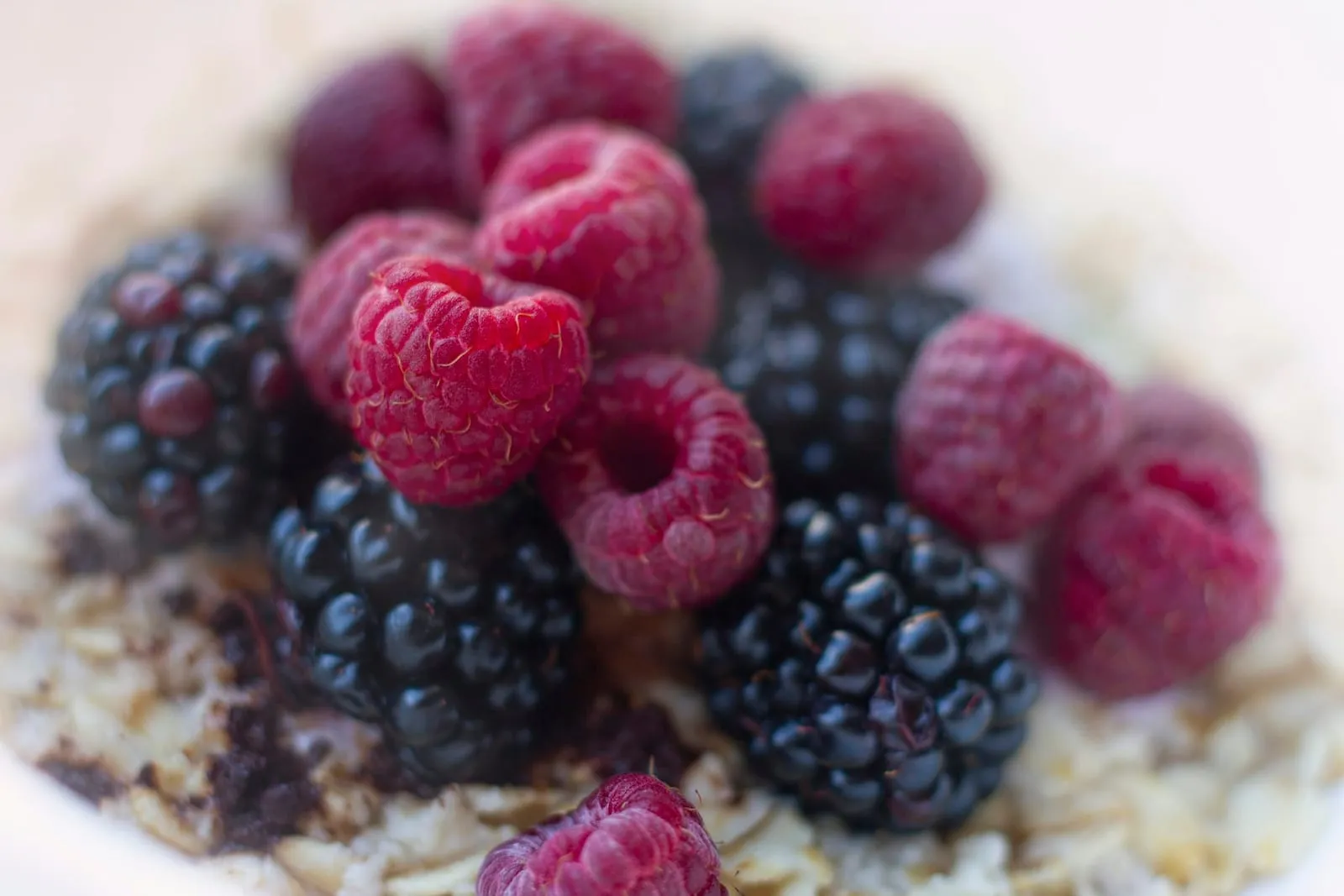
A bowl of oatmeal with a cup of raspberries and a spoonful of chia seeds can deliver well over 15 g of fiber — around half your daily target.
2. Keep the skins on
A lot of the fiber in fruit and vegetables is in or just under the skin. Rather than peeling:
- scrub potatoes and sweet potatoes and bake them whole
- eat apples and pears unpeeled
- leave the skin on carrots and cucumbers (just wash them well)
It is the easiest fiber boost there is — it costs nothing and saves time.
3. Add beans to everything
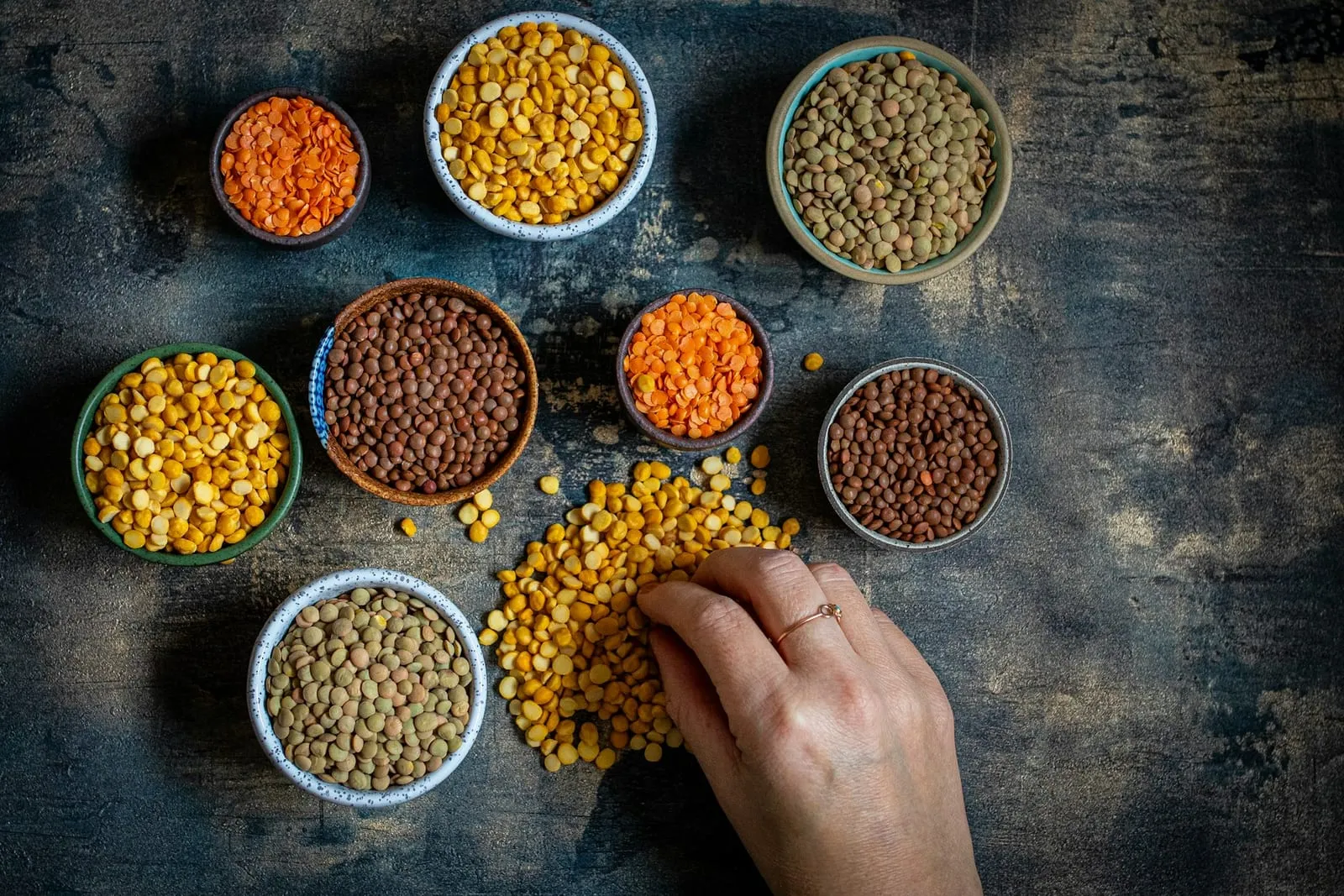
Beans, lentils and chickpeas are fiber powerhouses, with around 15 g of fiber per cooked cup. They are also cheap, filling and full of protein.
- Stir a can of beans into soups, stews and chili.
- Add chickpeas to salads or roast them for a crunchy snack.
- Swap half the meat in a bolognese or curry for lentils.
- Try hummus as a dip or sandwich spread.
4. Go whole grain
Refined grains have most of their fiber removed during processing. Whole grains keep it.
| Instead of… | Try… |
|---|---|
| White bread | Whole-wheat or seeded bread |
| White rice | Brown rice, quinoa or bulgur |
| White pasta | Whole-wheat or legume pasta |
| Cornflakes | Oats, bran flakes or muesli |
Not ready to switch completely? Mix half and half to begin with — most people stop noticing the difference within a couple of weeks.
5. Snack smarter
Snacks are an easy place to sneak in extra fiber. Swap chips and cookies for:
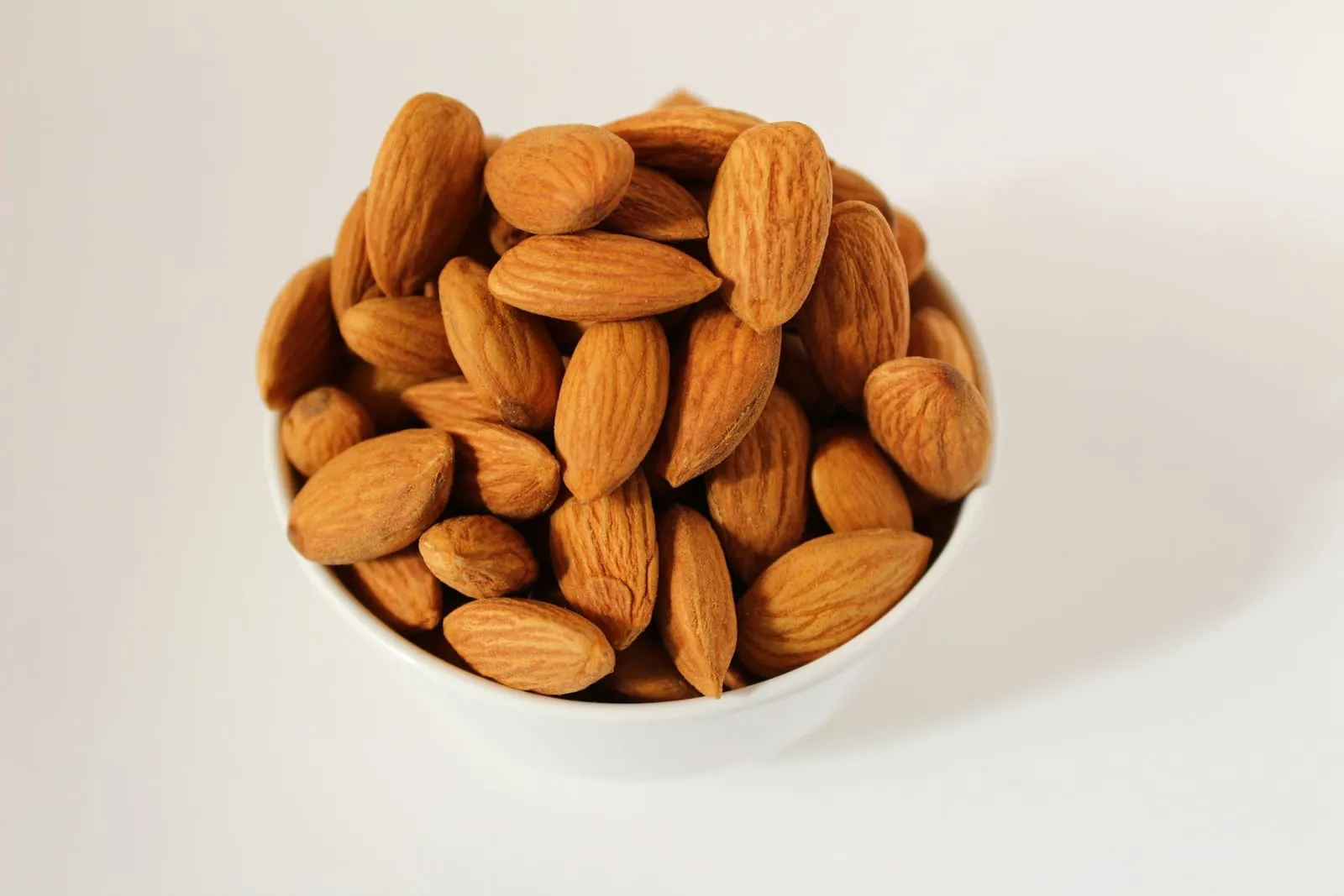
- a handful of almonds or mixed nuts
- an apple or pear
- carrot sticks with hummus
- air-popped popcorn (yes, it is a whole grain)
- a small pot of yogurt with seeds
6. Blend in extra fiber
Smoothies are a brilliant vehicle for fiber because you can add ingredients you might not otherwise eat:
- a handful of spinach or kale
- a spoonful of oats
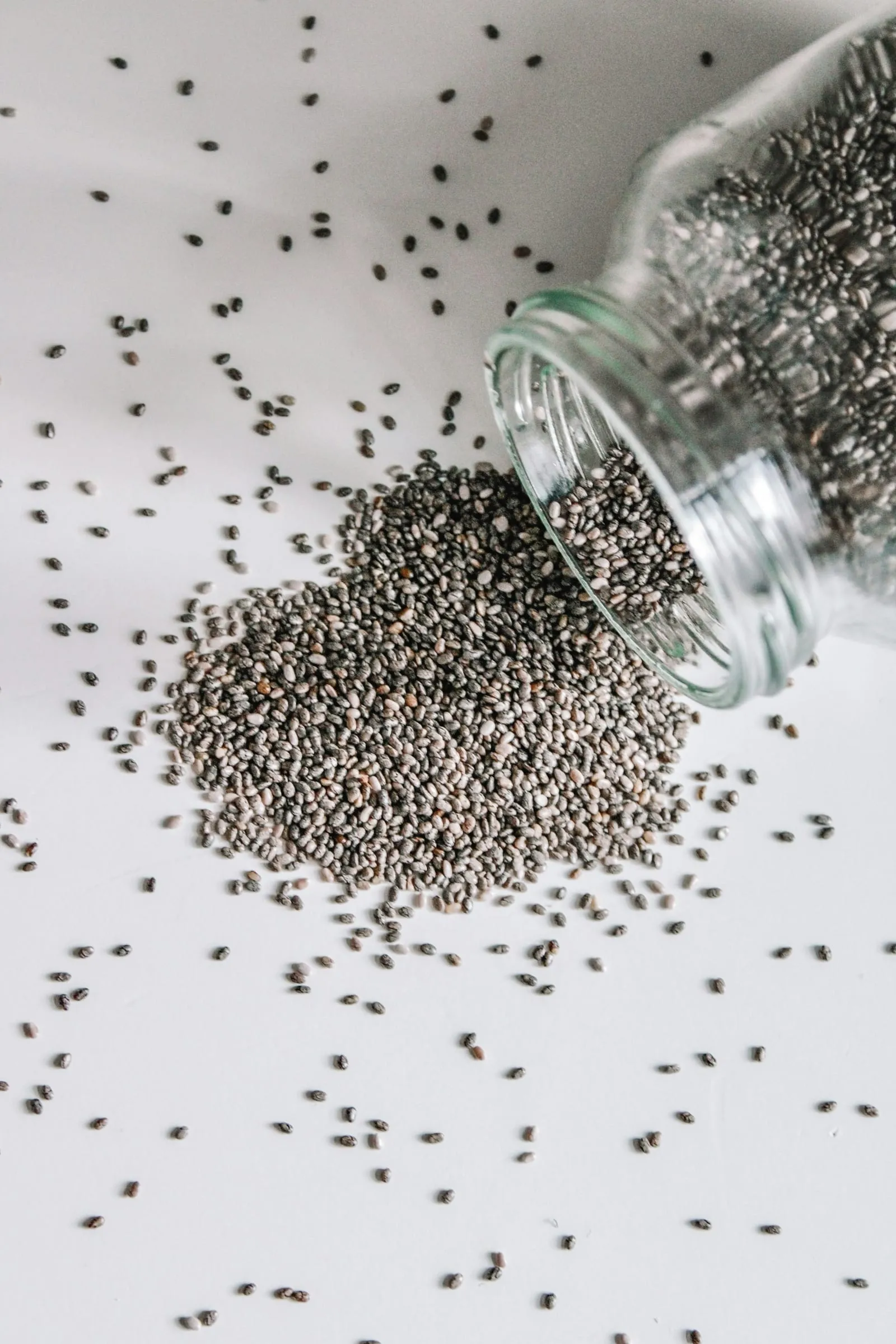
- chia or ground flaxseed
- a teaspoon of psyllium husk, which also gives smoothies a thicker, more satisfying texture
7. Top up with psyllium on busy days
Some days, perfect meals just do not happen. On those days, a teaspoon of psyllium husk stirred into a large glass of water is a simple way to top up your soluble fiber in seconds.
Read our guide to how to take psyllium husk to get started the right way — start small and always use plenty of liquid.
Fiber content of common foods
Use this table as a quick reference. Values are approximate and based on USDA FoodData Central.
| Food | Serving | Fiber (approx.) |
|---|---|---|
| Lentils, cooked | 1 cup | 15 g |
| Black beans, cooked | 1 cup | 15 g |
| Chia seeds | 1 oz (28 g) | 10 g |
| Avocado | 1 medium | 10 g |
| Raspberries | 1 cup | 8 g |
| Pear, with skin | 1 medium | 5.5 g |
| Apple, with skin | 1 medium | 4.5 g |
| Oatmeal, cooked | 1 cup | 4 g |
| Brown rice, cooked | 1 cup | 3.5 g |
| Almonds | 1 oz (28 g) | 3.5 g |
| Whole-wheat bread | 1 slice | 2 g |
Two golden rules
A sample high-fiber day
Here is how easily it adds up:
- Breakfast: oatmeal with raspberries and chia seeds (~17 g)
- Lunch: whole-wheat wrap with hummus and salad (~8 g)
- Snack: an apple and a small handful of almonds (~8 g)
- Dinner: lentil curry with brown rice (~12 g)
That is well over 40 g — comfortably above the daily target — from ordinary, everyday food.
The bottom line
You do not need a radical diet to eat more fiber. A better breakfast, a few cans of beans, whole-grain swaps and smarter snacks will get most people close to the target. On busy days, a teaspoon of psyllium husk makes up the difference.
Fiber values are approximate and vary by brand and preparation. This article is for general information only and is not medical advice.
Frequently asked questions
What food has the most fiber?
Legumes such as lentils, split peas and black beans are among the richest everyday sources, with around 15 g of fiber per cooked cup. Chia seeds, raspberries and avocado are also high.
How quickly should I increase my fiber?
Gradually — over a few weeks rather than a few days. A sudden jump can cause bloating and gas. Add one new fiber-rich habit at a time and drink more water as you go.
Can I get enough fiber without supplements?
Yes, many people can with a varied diet of whole grains, fruit, vegetables, legumes, nuts and seeds. A fiber supplement like psyllium is simply a convenient top-up for days when that does not happen.
Sources
- How to get more fibre into your diet — NHS
- Dietary Guidelines for Americans — U.S. Department of Agriculture & HHS
- FoodData Central — U.S. Department of Agriculture
- Fiber — The Nutrition Source, Harvard T.H. Chan School of Public Health
- Fibre: Food Fact Sheet — British Dietetic Association

We write practical, evidence-informed guides about fiber and everyday nutrition, drawing on public health guidance from bodies such as the NHS, the NIH and the USDA. Our articles are for general information and are not a substitute for advice from your doctor.