Recipes · How-to
6 Simple Psyllium Husk Recipes for Breakfast, Lunch and Beyond
Psyllium husk is not just for drinking. Try these six easy recipes — from overnight oats and smoothies to chia pudding and soups — to add fiber to every meal.

In this article
Key takeaways
- Psyllium has a neutral taste, so it works in sweet and savory recipes.
- Use about 1 teaspoon per serving and add a little extra liquid — it thickens as it sits.
- It is great in overnight oats, smoothies, chia pudding, yogurt and soups.
- In baking, psyllium helps gluten-free doughs hold together.
Most people think of psyllium husk as something you stir into a glass of water. That is the simplest way to take it — but it is far from the only one. Because psyllium has a neutral taste and a unique ability to thicken and bind, it slips easily into all kinds of everyday recipes.
Here are six of our favorites. Each uses about 1 teaspoon of psyllium per serving.
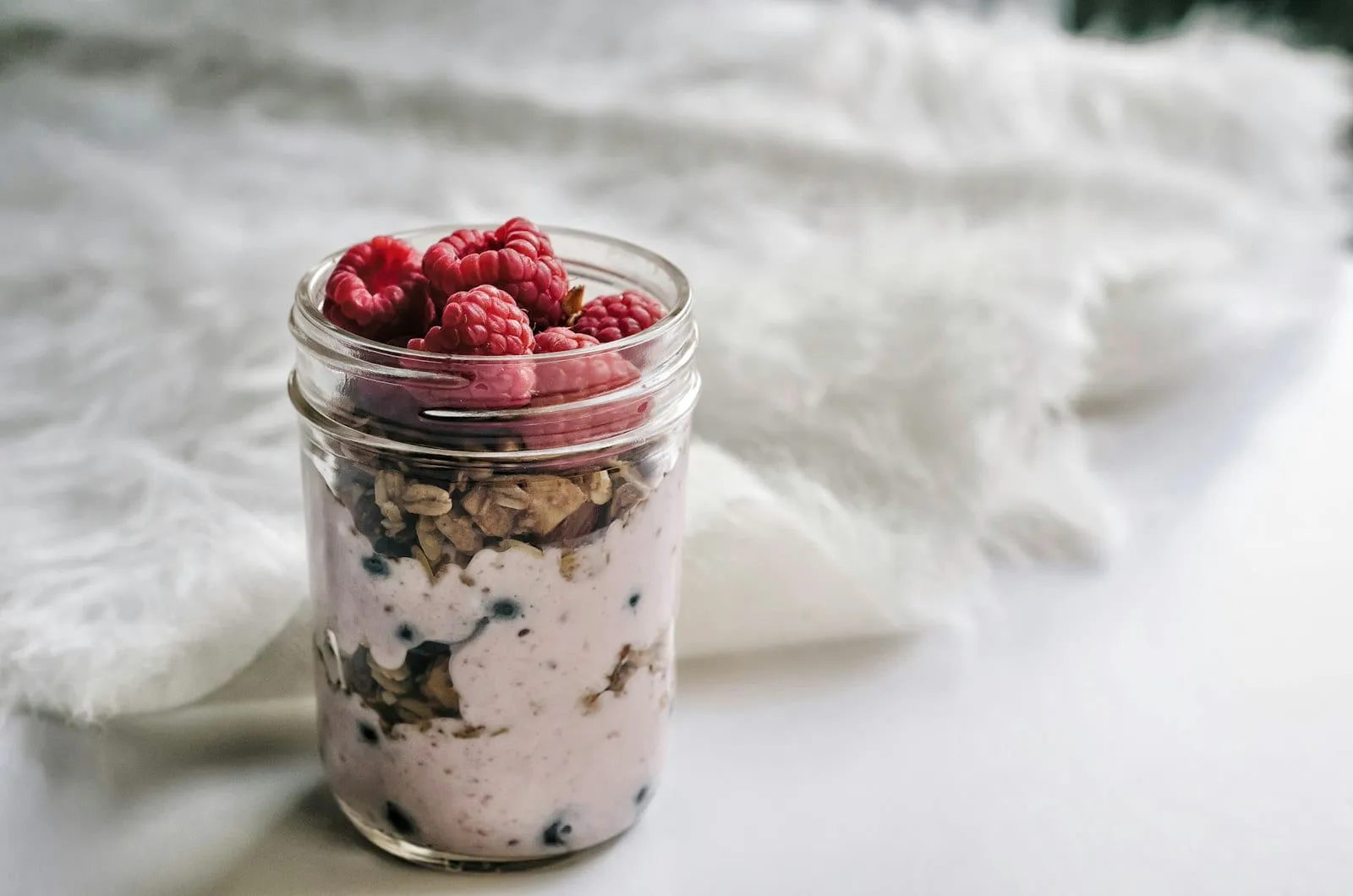
1. Fiber-boosted overnight oats
The easiest high-fiber breakfast there is. Make it before bed and it is ready when you wake up.
Serves 1
- ½ cup (45 g) rolled oats
- ¾ cup (180 ml) milk or plant milk
- ¼ cup (60 g) yogurt
- 1 tsp Kailash Fiber
- 1 tsp honey or maple syrup (optional)
- A handful of berries to top
Method
- Stir the oats, milk, yogurt and psyllium together in a jar.
- Add sweetener if using.
- Cover and refrigerate overnight.
- In the morning, loosen with a splash of milk and top with berries.
2. Berry & banana breakfast smoothie
Psyllium gives smoothies a thicker, more satisfying texture — and keeps you fuller for longer.
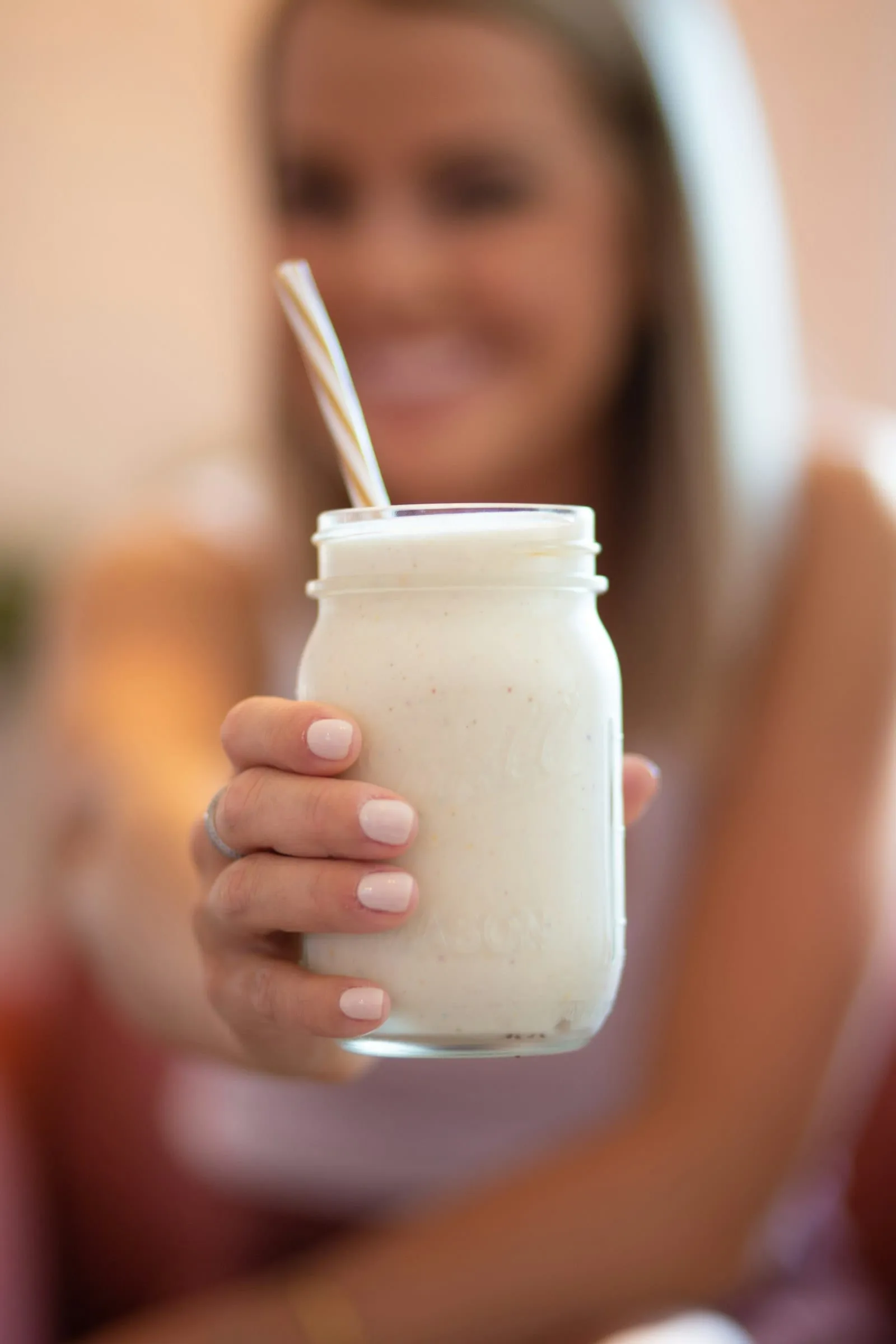
Serves 1
- 1 cup (150 g) frozen mixed berries
- 1 small banana
- 1 cup (240 ml) milk or plant milk
- 1 tsp Kailash Fiber
Method
- Add everything to a blender, liquid first.
- Blend until smooth.
- Drink straight away.
3. Five-minute chia & psyllium pudding
A creamy, make-ahead dessert or breakfast that sets faster than chia alone.
Serves 2
- 1 ½ cups (360 ml) milk or coconut milk
- 3 tbsp chia seeds
- 1 tsp Kailash Fiber
- ½ tsp vanilla extract
- 1–2 tsp maple syrup
Method
- Whisk all the ingredients together in a bowl.
- Rest for 5 minutes, then whisk again to break up any clumps.
- Chill for at least 30 minutes.
- Serve topped with fruit and toasted nuts.
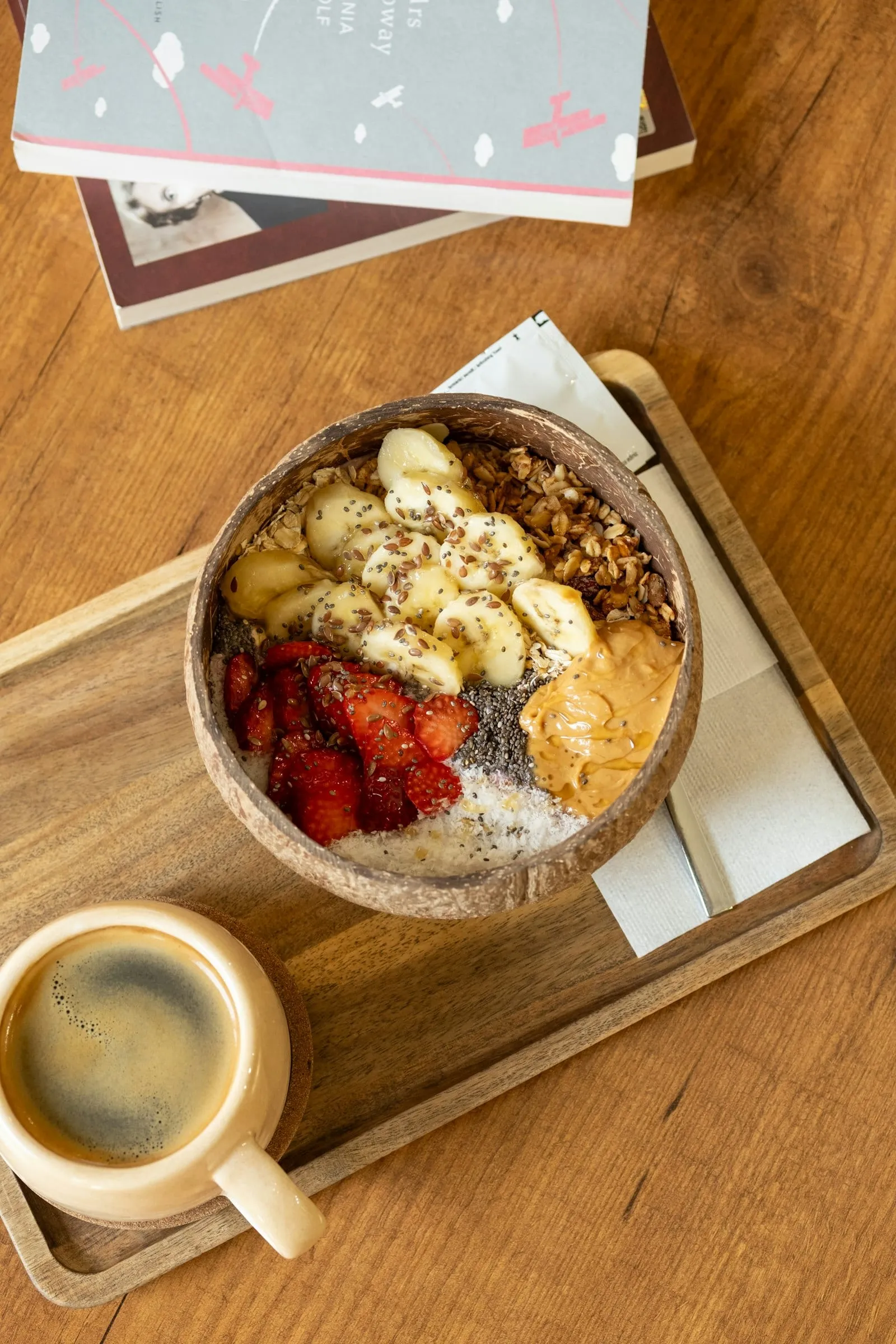
4. Creamy yogurt bowl
The fastest option on the list.
- Spoon a bowl of plain or Greek yogurt.
- Stir in 1 tsp Kailash Fiber and a splash of milk.
- Top with sliced fruit, granola and a drizzle of honey.
- Eat straight away.
5. Thicker soups and stews — without flour
Psyllium works as a natural thickener in savory dishes.
- Toward the end of cooking, sprinkle 1 tsp of psyllium per two servings over your soup or stew.
- Stir constantly for a minute or two as it thickens.
- Add more liquid if it becomes too thick.
It works well in lentil soups, vegetable stews and curries.
6. Better gluten-free baking
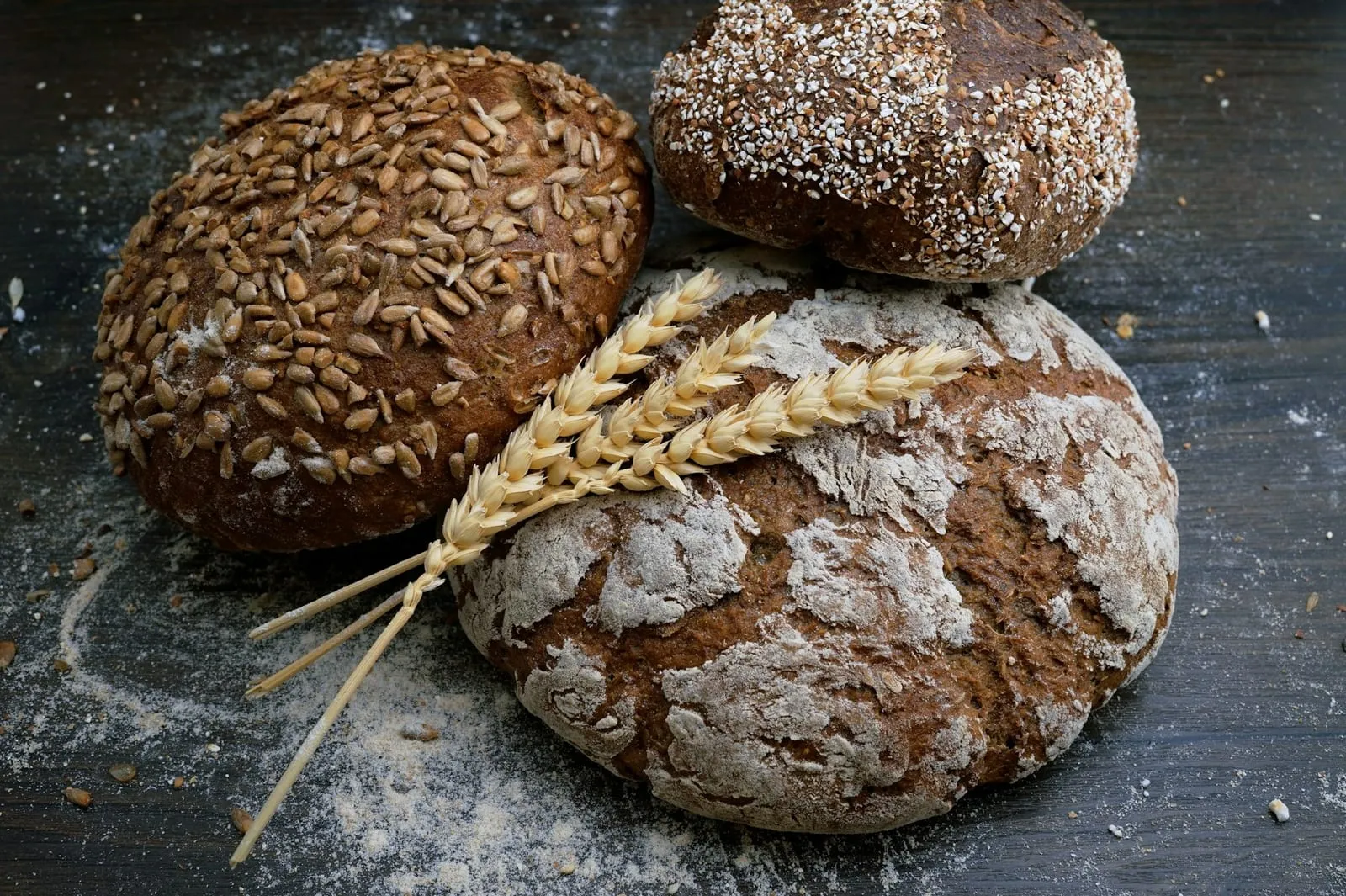
This is where psyllium really shines. Gluten-free flours lack the stretchy protein that holds dough together. Psyllium forms a gel that does a similar job, helping gluten-free bread and flatbreads hold their shape and stay soft.
How to use it
- Start with about 1–2 tablespoons of psyllium per loaf of gluten-free bread, following your recipe’s guidance.
- Mix the psyllium with the recipe’s liquid first and let it gel for a few minutes before adding the flour.
- Expect a slightly denser, moister crumb.
Tips for cooking with psyllium
- Add psyllium to liquid, not the other way round, to avoid clumps.
- Use a whisk or blender for the smoothest result.
- Allow for thickening — recipes will firm up as they sit.
- Count it toward your daily total. If you have psyllium in your breakfast, you may not need a drink later.
- Keep drinking water throughout the day.
The bottom line
Psyllium husk is one of the most versatile fibers in the kitchen. Stir it into breakfast, blend it into smoothies, thicken your soups or use it in gluten-free baking — it is an easy way to add fiber to the foods you already love.
New to psyllium? Read how to take psyllium husk first.
This article is for general information only and is not medical advice. Always follow the directions on the pack.
Frequently asked questions
Does psyllium change the taste of food?
Very little. Psyllium has a mild, neutral flavor. You will notice it more in texture — it makes things thicker and creamier.
Can I cook with psyllium husk?
Yes. It can be added to soups and stews as a thickener and is widely used in gluten-free baking. It is stable when heated.
How much psyllium should I add to a recipe?
About 1 teaspoon per serving is a good starting point for drinks, oats and yogurt. Count recipe servings toward your daily total and follow the directions on the pack.
Sources
- Psyllium — MedlinePlus, U.S. National Library of Medicine
- How to get more fibre into your diet — NHS

We write practical, evidence-informed guides about fiber and everyday nutrition, drawing on public health guidance from bodies such as the NHS, the NIH and the USDA. Our articles are for general information and are not a substitute for advice from your doctor.