Psyllium · Our story
Isabgol: The Story Behind India's Favorite Fiber
Before it reached Western shelves, psyllium husk — isabgol — was an Indian household staple. Discover where it grows, how it is harvested and why India leads.

In this article
Key takeaways
- Isabgol is the Indian name for psyllium husk from the Plantago ovata plant.
- India grows the large majority of the world's psyllium, mainly in Gujarat and Rajasthan.
- It is a winter crop, sown after the monsoon and harvested in early spring.
- Husk is graded by purity — higher grades contain less seed and plant material.
Ask almost any family in India about isabgol and you will likely get a knowing smile. For generations, a jar of these pale, feathery flakes has sat in kitchen cupboards across the country — stirred into a glass of water, buttermilk or yogurt whenever someone needed a little extra fiber.
Today, the same plant fiber is sold around the world as psyllium husk. But its roots — quite literally — are in the fields of western India. This is its story.
What is isabgol?
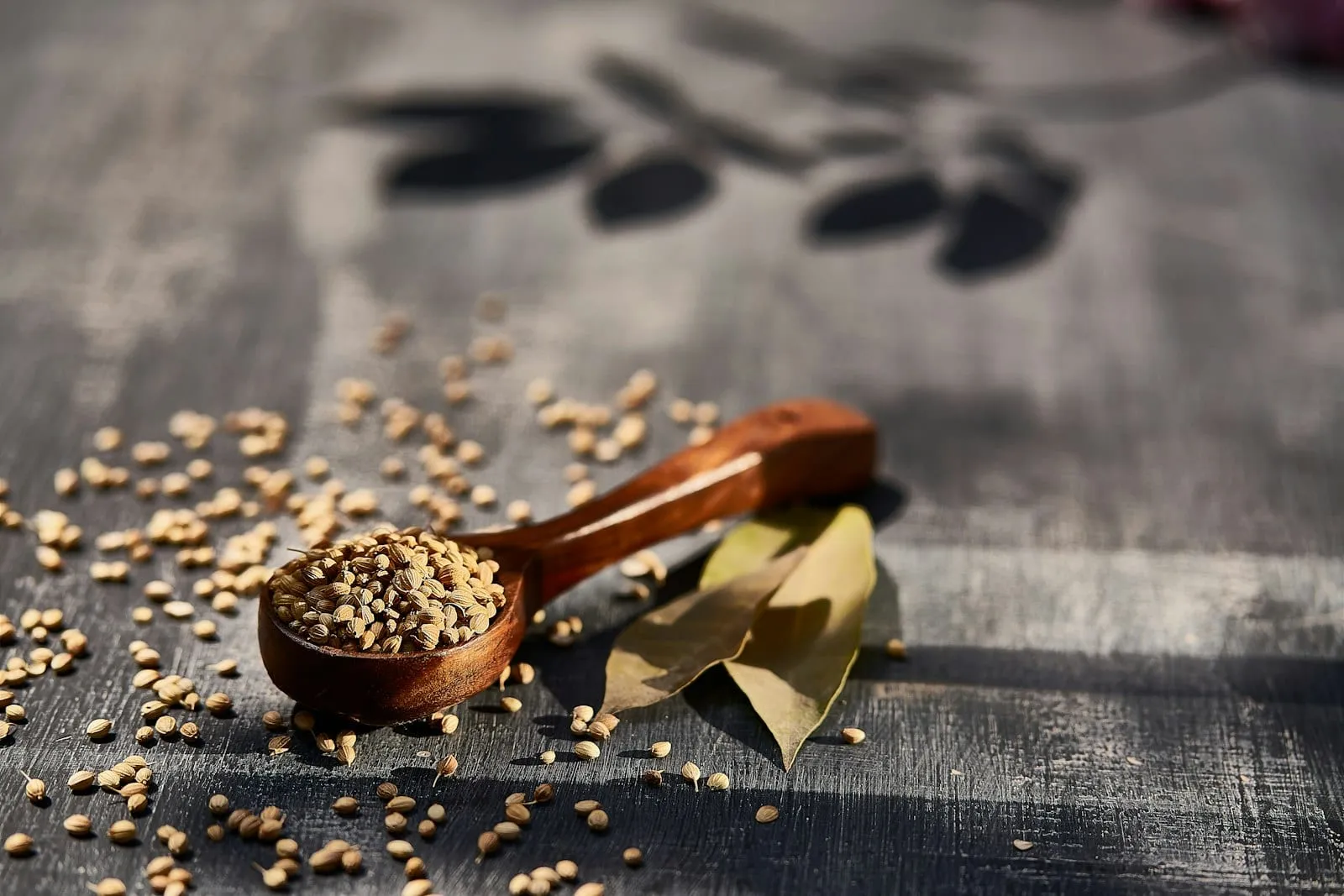
Isabgol is the Hindi and Urdu name for the husk of Plantago ovata, a small flowering herb. The word is often traced to Persian, describing the plant’s tiny, boat-shaped seeds. In Britain and in medical settings you will often see it called ispaghula; in the US it is usually called psyllium.
Whatever the name, it is the same thing: the thin, translucent coating that surrounds each seed, and one of the richest natural sources of soluble fiber.
The psyllium heartland
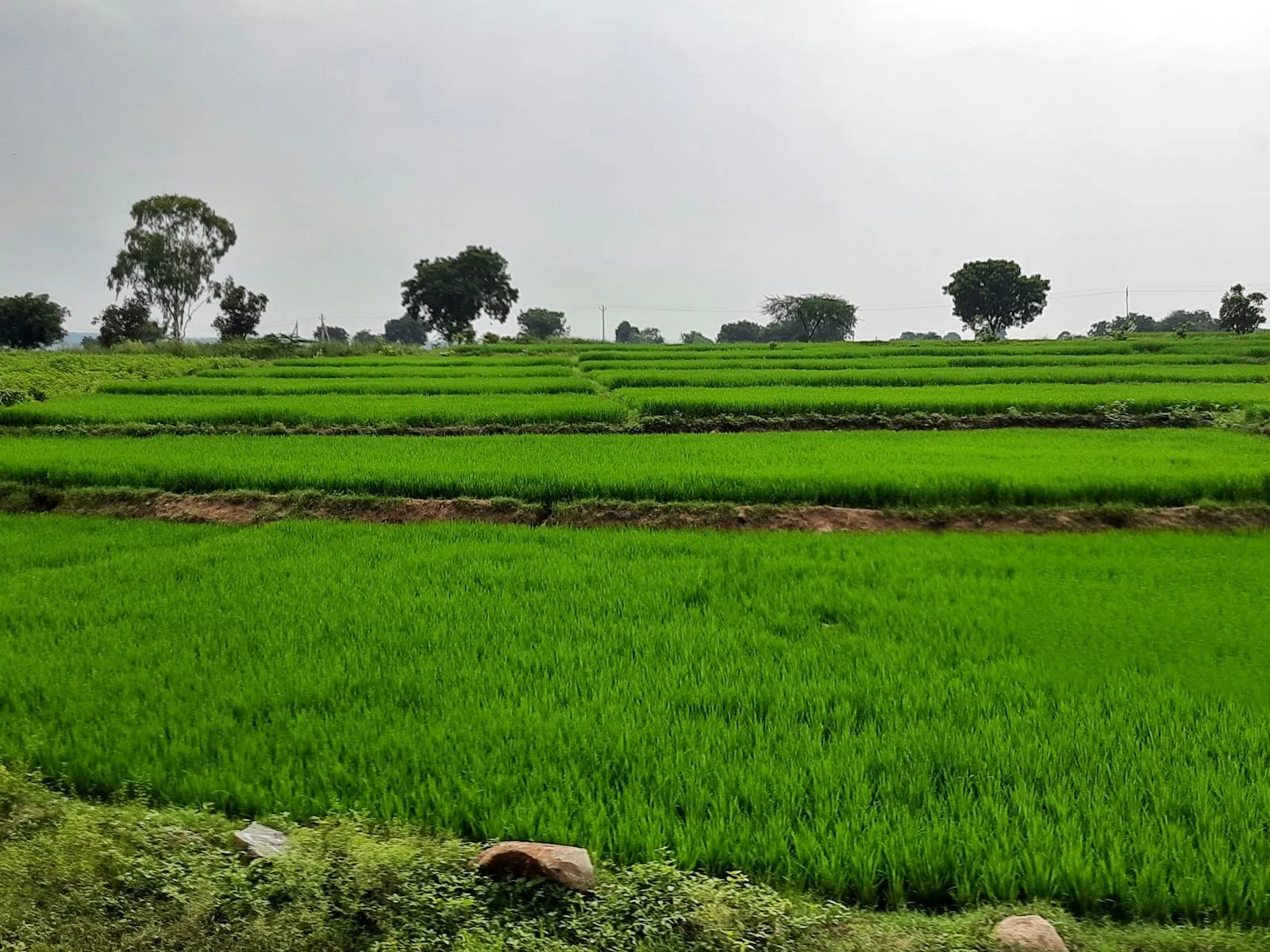
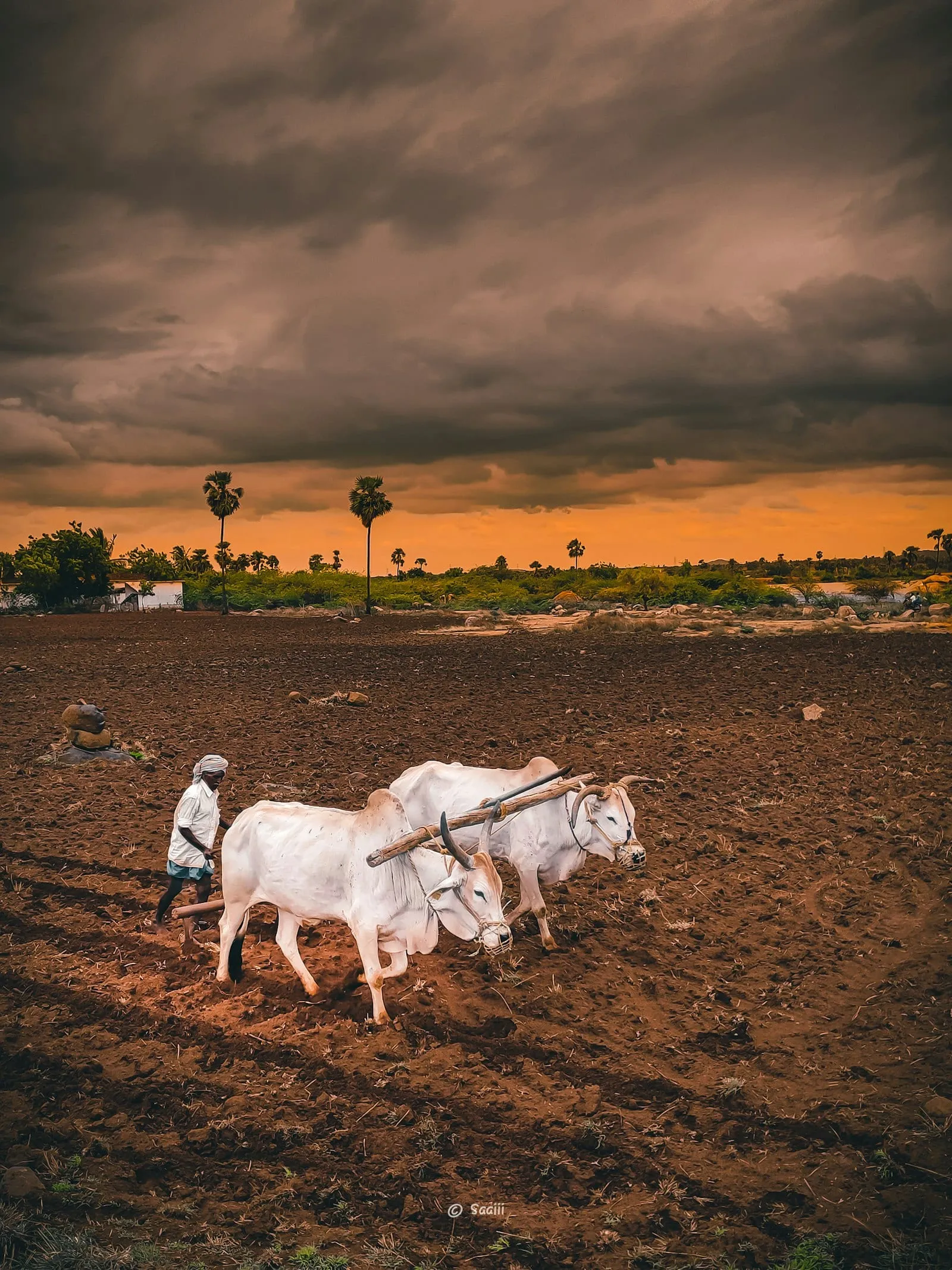
Although Plantago ovata grows in several countries, India produces the large majority of the world’s supply, and most of it comes from two states:
- Gujarat, particularly the northern districts
- Rajasthan, in the arid west
The town of Unjha in north Gujarat is famous as one of the country’s great spice and seed trading centers, and psyllium is one of its best-known commodities.
Why here?
Plantago ovata is fussy about its conditions. It thrives with:
- cool, dry winters during the growing season
- lots of sunshine
- little or no rain around harvest, when wet weather can damage the seed
Western India’s winters provide exactly that — which, together with generations of farming know-how, explains why the region dominates global production.
A year in the life of a psyllium crop
| Season | What happens |
|---|---|
| Autumn (after the monsoon) | Fields are prepared and seed is sown |
| Winter | The plant grows and sends up spikes of tiny white flowers |
| Early spring | Seed heads ripen and turn golden; the crop is harvested |
| Spring onwards | Seed is cleaned, dehusked, graded and sold |
From seed to husk
Once harvested and dried, the crop goes through several steps:
- Threshing and cleaning. The seed is separated from the rest of the plant, and dust, stones and plant matter are removed.
- Dehusking. The seed is milled so that the thin husk separates from the inner seed.
- Sifting and grading. The husk is sifted to remove remaining seed and impurities. Husk is commonly graded by purity, with higher grades containing less foreign material.
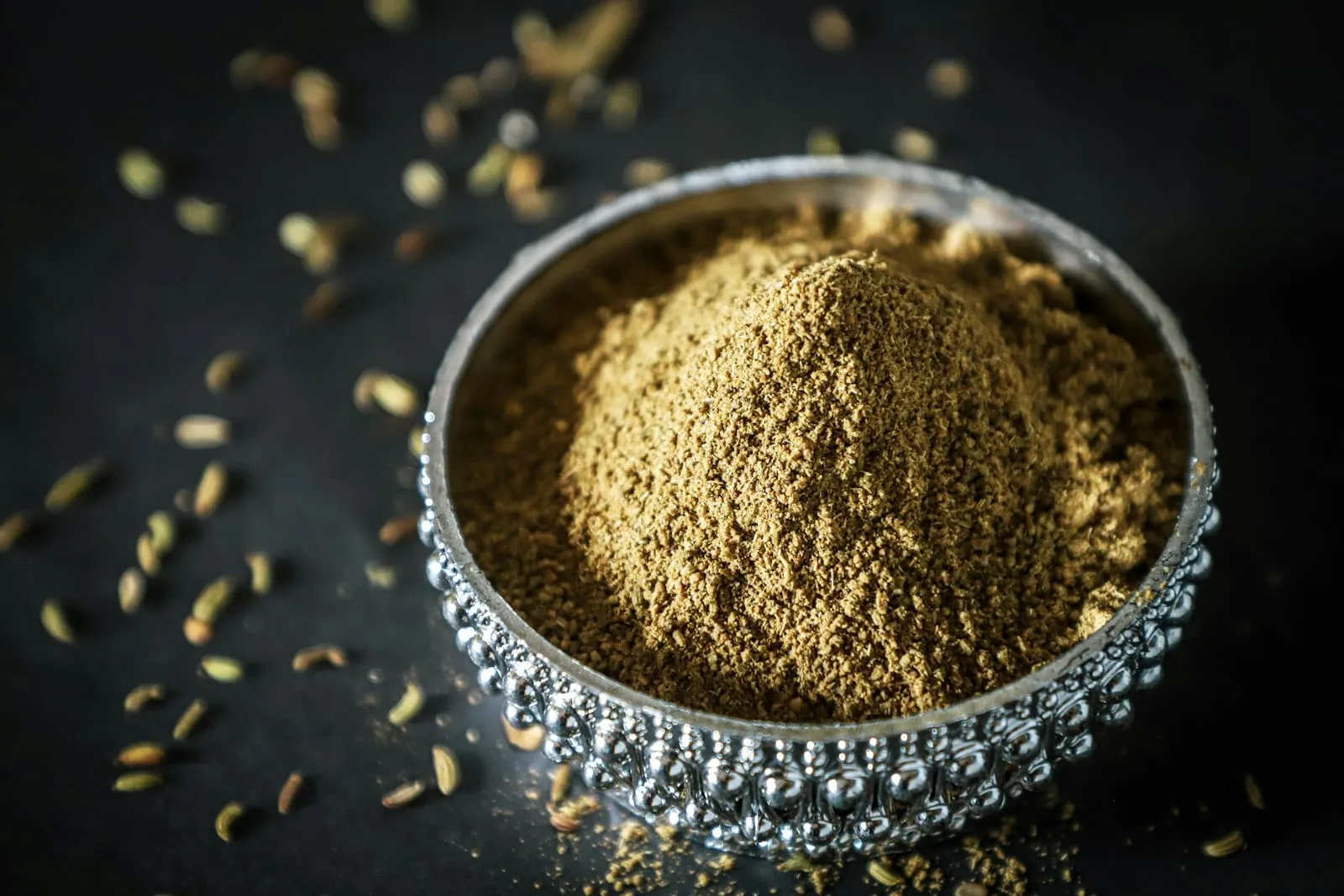
- Milling (for powder). For powdered products, the husk is milled further into a fine, smooth powder that mixes easily into drinks.
How India uses isabgol
In Indian homes, isabgol is wonderfully ordinary. It is often:
- stirred into a glass of warm water before bed
- mixed into buttermilk or yogurt
- added to lassi
- used as a gentle thickener in some dishes
It also has a long history in traditional systems of medicine across South Asia and the Middle East, where it has been valued for digestive comfort for centuries.
From India to the world
Over the last century, psyllium travelled from Indian kitchens to pharmacies and supermarkets worldwide. Today it is used in fiber supplements, breakfast cereals and gluten-free baking, where its gel-forming ability helps doughs hold together.
That global journey is what Kailash Naturals is built on. We source psyllium husk from India and bring it to customers in the United States, the United Kingdom and around the world — the same humble ingredient, in a pouch made for modern kitchens.

Why we are called Kailash
Mount Kailash, in the Himalayas, is one of the most revered peaks in Asia. For us, it stands for what we want our product to be: pure, simple and trusted. One ingredient, nothing added, from a country that has relied on it for generations.
The bottom line
Isabgol is not a trend — it is a centuries-old staple with deep roots in western India. Understanding where it comes from makes every glass a little more meaningful.
This article is for general information only and is not medical advice.
Frequently asked questions
What does isabgol mean?
Isabgol is the Hindi and Urdu name for psyllium husk. The word is often traced to Persian, describing the shape of the small, boat-shaped seed.
Why does India grow so much psyllium?
Plantago ovata needs cool, dry winters, plenty of sunshine and little rain around harvest. Western India — especially north Gujarat and Rajasthan — offers exactly those conditions, along with generations of growing experience.
Is isabgol the same as ispaghula?
Yes. Ispaghula is another spelling of isabgol, commonly used in the UK and in medical contexts. Both refer to psyllium husk from Plantago ovata.
Sources

We write practical, evidence-informed guides about fiber and everyday nutrition, drawing on public health guidance from bodies such as the NHS, the NIH and the USDA. Our articles are for general information and are not a substitute for advice from your doctor.